What Businesses Benefit Most from Google Review Cards in the United States
A practical breakdown of the American industries where NFC Google review cards tend to be most useful, where they're a weaker fit, and how to tell if they suit your business.
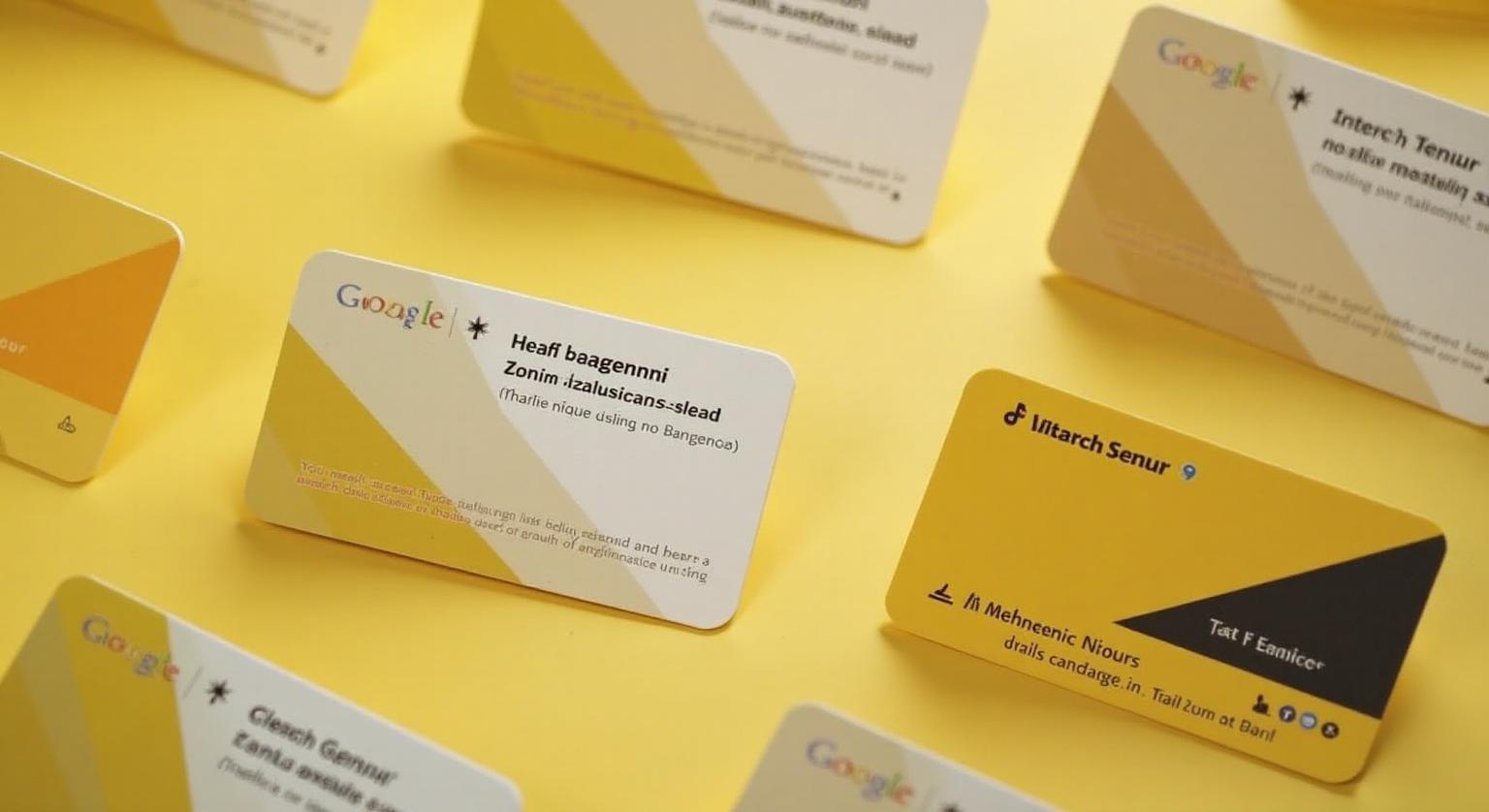
Ask American small business owners why they aren't getting more Google reviews and you'll often hear the same answers: "my customers won't take the time," "I forget to ask," and "nobody clicks the email link." NFC Google review cards are designed to tackle all three at the point of service: one tap or scan opens your review page, with no app and no searching. But not every U.S. business benefits equally. This guide breaks down which industries tend to get the most value, which get less, and how to decide whether review cards make sense for you.
Which Businesses Get the Most From Review Cards?
Businesses that win new customers through local Google searches and have a clear, in-person moment at the end of each service tend to get the most from review cards.
Three traits usually show up together. First, the business relies on Google Search and Maps for a meaningful share of new customers. Second, there's a service moment where the customer's phone is already in their hand or within reach. Third, each new customer is valuable enough that a steadier flow of reviews is worth the effort. Home services, dental and medical practices, hospitality and personal services usually fit this profile. Online-only brands, B2B software companies and chains with corporate review programs usually fit it less well.
Google says local results are based mainly on relevance, distance and prominence, and that more reviews and positive ratings can help a business's local ranking (Google Business Profile Help). Reviews also help the people comparing you with competitors. Review cards don't change how Google ranks anyone; they simply make it easier for satisfied customers to leave the review they already meant to write.
The Top 10 U.S. Industries That Benefit Most
These industries share a natural, face-to-face end to the service and customers who often search on Google before choosing who to call or visit.
1. Home Services: HVAC, Plumbing, Electrical, Roofing
This is one of the strongest fits for review cards. Jobs like HVAC installs and roof replacements are high-value, and homeowners often search phrases like "AC repair near me" or "emergency plumber" and choose from the businesses Google shows. Technicians who carry review cards in the truck and hand one to the homeowner at job completion make it simple for a happy customer to leave a review while the experience is fresh. For home-services companies, that in-the-moment ask is often the most dependable way to build a steady stream of reviews.
2. Independent Restaurants, Diners & Cafés
Restaurants serve many customers a day, so even a small share of guests leaving a review adds up. A card placed with the check, or a stand by the register or host stand, catches diners while the meal is still on their mind. Counter-service cafés tend to do best with a stand where people pay or wait, while table-service restaurants can add a card to the check presenter.
3. Dentists, Orthodontists & Medical Practices
Patients often read a practice's reviews before booking a first appointment. Placing a review card or stand at checkout after cleanings, whitening sessions or aesthetic treatments gives patients an easy way to share their experience while it's top of mind. Staff should keep the ask neutral and make sure replies to reviews never reveal anything about a patient's care.
4. Real Estate Agents & Brokerages
Realtors rely heavily on referrals and reputation, and buyers and sellers often look at an agent's reviews on Google and other property sites. Keeping a review card in the closing folder and handing it to clients right after signing takes advantage of a natural high point in the relationship, making it easier for a satisfied client to leave a review before the moment passes.
5. Salons, Barbershops & Beauty Studios
Beauty is a highly local, highly reviewed category, and clients often compare ratings and recent reviews before booking. Independent salons that place a stand at the front desk, right where the client is already holding their phone to pay, make it easy to turn a good appointment into a review. Giving each stylist a card to hand over at the chair adds a personal touch to the same ask.
6. Gyms, Studios & Personal Trainers
Fitness businesses are built on community and word of mouth, and a strong Google review profile can help a studio stand out to people comparing options nearby. A stand at the front desk lets members leave a review after class, and personal trainers who don't work behind a counter can wear an NFC review wristband or carry a pocket card for the end of a session.
7. Auto Repair, Detailing & Mobile Services
Drivers often choose a repair shop by comparing nearby results and ratings on Google. Independent garages competing against chains and dealership service centers can use honest reviews to show what makes them different. A card at the service writer's counter, handed over with the keys, gives customers an easy way to leave feedback while they're still on-site. Mobile detailers, tire shops and windshield repair techs can use the same approach at their own natural completion moment.
8. Hotels, B&Bs, Vacation Rentals & Boutique Lodging
Travelers often cross-check Google reviews alongside other travel sites before booking. A review card in the room folder or a stand at the front desk gives smaller properties a simple way to collect guest feedback that highlights the personal touches guests noticed during their stay.
9. Contractors, Trades & Specialty Services
Landscapers, pest control operators, house cleaners, appliance repair techs, pool services and window cleaners benefit in similar ways to HVAC and plumbing businesses, since homeowners often find these providers through Google. Recurring-service businesses (weekly lawn care, monthly pest control, regular cleaning) also get repeated chances to ask, and a card kept in each truck makes that ask consistent. Ask once the customer has seen a few visits, rather than after every one.
10. Veterinary Clinics, Pet Services & Groomers
Vet clinics, mobile groomers, dog trainers and doggy daycares can all use review cards or stands at reception. Pet owners are often emotionally invested in the care their animals receive, and when asked at the right moment they frequently leave detailed reviews describing the specific services they used, which is exactly what helps the next pet owner decide.
Whatever your industry, keep the ask the same for every customer and never offer anything in return. Google's policy prohibits incentives and selectively soliciting positive reviews. A card that simply opens your review page, with no incentive or filtering, fits Google's policy.
U.S. Businesses Where Review Cards Are Less Effective
Review cards are a weaker fit when there's no in-person moment with the customer, or when Google isn't where your buyers look for reviews.
That includes pure e-commerce brands (no physical customer moment), B2B software companies (buyers usually read reviews on specialist software review sites rather than Google), franchise locations whose corporate review program controls how reviews are requested, and businesses whose customers never meet staff in person, such as vending or self-service kiosks. For those businesses, a post-purchase email with the review link, or a review platform suited to their market, usually makes more sense.
How to Know If Review Cards Will Work for Your U.S. Business
If you can tick several of the points below, review cards are likely to be a useful, low-cost addition.
- You have a physical location or an in-person customer moment (a home visit, delivery or closing meeting)
- You rely on Google Search and Maps for a meaningful share of new customers
- Each customer represents meaningful first-purchase or first-year revenue
- Your Google review count or pace of new reviews is lower than you'd like
- You compete with chains or local competitors who have many more reviews
- You have staff willing to ask once per interaction, using a short, simple script
Your Next Step: A Simple Rollout
Start small, at the one or two points where your service naturally ends, then expand once the habit sticks.
- Check your Google Business Profile is complete: categories, hours, services and photos
- Copy your review link (Read reviews, then Get more reviews) and order NFC Google review cards pre-programmed with it
- Place cards or a stand where each service ends, and tap-test them with an iPhone and an Android phone
- Agree on one short ask for every staff member, and use it with every customer
- Reply to every review promptly, positive or negative, and check your profile monthly to see how it's going
For scripts your team can use, read how to ask customers for Google reviews naturally.
❓ Frequently asked questions
Are NFC review cards worth it for U.S. e-commerce or online-only businesses?
Usually not, because review cards are designed for an in-person moment. Online-only businesses generally do better with a post-purchase email containing a review link, though cards can still help at a showroom, pickup point or trade show.
Which U.S. industry sees the most value from review cards?
Home services such as HVAC, plumbing, electrical and roofing are among the strongest fits. Job values are high, the end of the job is a natural moment to ask, and many customers find these businesses through Google.
How many reviews per month can a typical small business expect from review cards?
There's no universal number; it depends on your customer volume, business type and how consistently staff use the cards. The best guide is to track your own review count before and after you introduce them.
Do review cards work in rural U.S. markets or only in major metros?
They work in both. The approach is the same everywhere: ask every customer at the end of a good service and make leaving a review as easy as possible.
Are Google review cards allowed under Google's policy and FTC rules?
Yes, when used correctly. Google prohibits incentives and selectively asking only happy customers, and the FTC's rule bans fake reviews and buying reviews conditioned on sentiment; a card that simply opens your review page, with no incentive or filtering, fits Google's policy. See [why you should avoid review gating](/blog/review-gating-what-it-is-and-why-you-should-avoid-it).
Can multi-location U.S. franchises use review cards?
Often, yes, but check your franchise agreement first. Corporate review programs sometimes set rules for how locations ask for reviews, and where allowed, cards can complement any existing corporate email campaign.
Related Guides & Tools
Hand-picked next reads for US small businesses growing their Google reviews.
Explore Our Products
Google Review Card
NFC tap cards that take customers straight to your Google review page.
Google Review Stand
Countertop stands perfect for restaurants, salons, and reception desks.
Google Review Plaque
Wall-mounted plaques that collect reviews in high-traffic areas.
Google Review Stickers
Peel-and-stick NFC stickers for windows, doors, and counters.
Google Review Keychains
Portable keychains your team can carry to collect reviews anywhere.
NFC Wristband
Wearable NFC wristbands for events, trade shows, and on-the-go reviews.
Related articles
The Best Tools for Collecting Google Reviews
Review links, NFC cards, stands, plaques, stickers, keychains and wristbands each suit different moments. What each tool is good for and how to combine them.
How Google Review Cards Work (Step-by-Step Breakdown)
What happens between a customer tapping a Google review card and a review appearing on your Business Profile, which phones can read it, and why it makes reviewing easier.