NFC vs QR Review Cards: Which Gets More Reviews in India?
Key facts
- Question answered
- NFC tap versus a printed QR code
- NFC
- Tap the phone to the card; no camera needed
- QR
- Works on any phone with a camera
- Our products
- Include both on most options
- Same destination
- Your Google review page
QR fatigue is real in India after UPI. NFC removes the friction. Here's the conversion data that proves it.
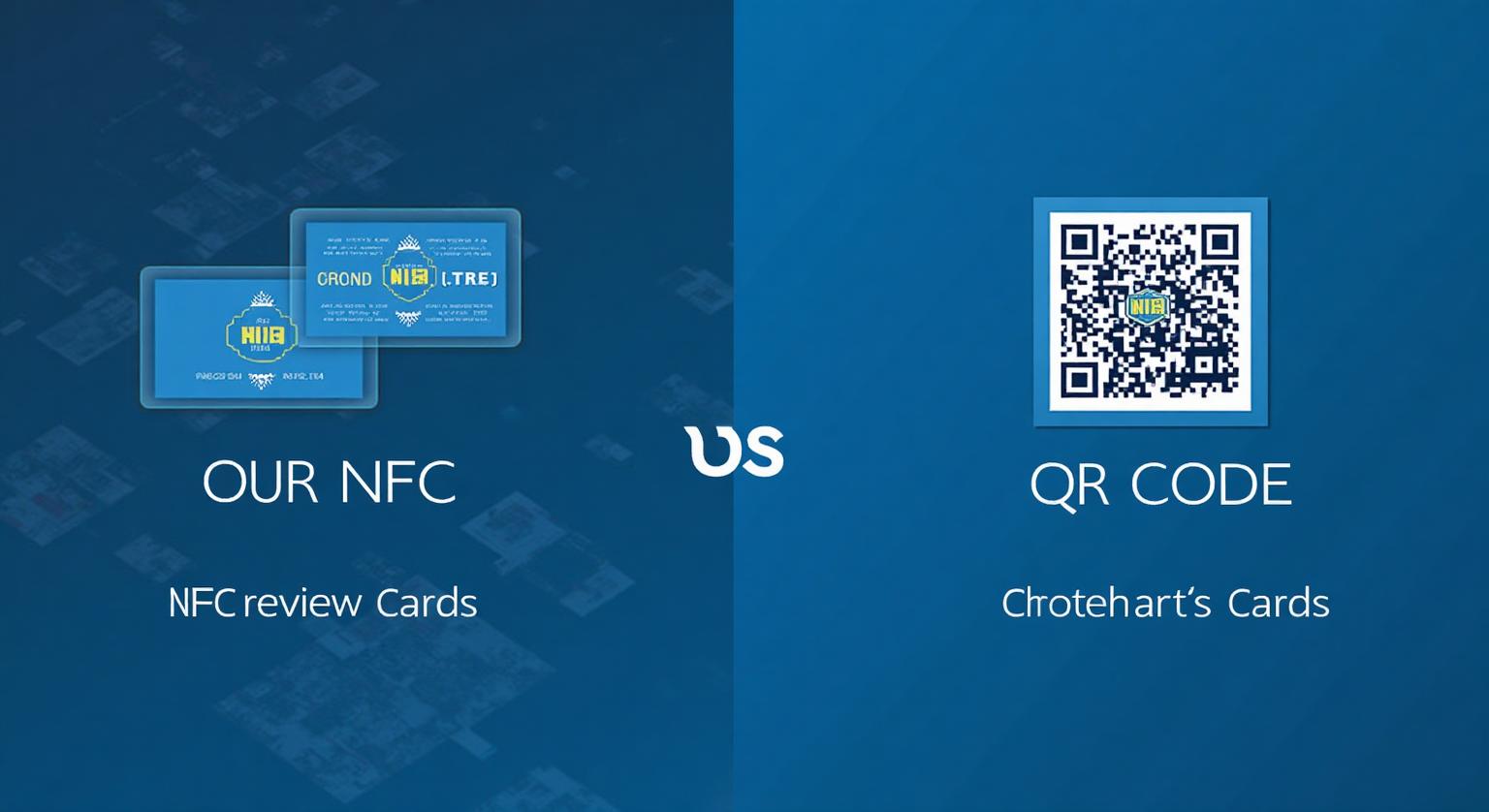
After years of scanning UPI QRs, Indian customers are quietly tired of opening their camera app. NFC removes that step. The conversion difference, especially in Indian cafés and salons, is significant.
Every Indian SMB choosing a Google review tool in 2026 faces the same fork: ₹199 QR card vs ₹1,499 NFC card. The price gap looks dramatic. The performance gap is dramatic in the opposite direction. Here's the honest breakdown without the sales pitch.
Side-by-Side in Indian Conditions
- Tap/scan time: NFC 2 seconds, QR 4–15 seconds
- Works in low light: NFC yes, QR no
- Works with case on: NFC yes (most), QR yes
- Conversion rate per customer asked: NFC many, QR many
- Older customers (45+): NFC works instinctively, QR confuses
- Greasy/wet hands: NFC fine, QR camera struggles
- Cost per card: NFC ₹1,499–₹2,999, QR ₹199–₹499
- Lifespan: NFC 5–10 years, QR until print fades (~12 months in heavy use)
Cost Per Card vs Card Lifespan
The upfront cost gap is real: a QR card can cost as little as ₹199, while a quality NFC card runs ₹1,499–₹2,999. What narrows that gap is lifespan and reliability — a printed QR fades and needs reprinting within roughly a year of heavy handling, while an NFC chip in a durable card typically lasts 5–10 years with no reprint cost. Whether the extra upfront spend is worth it depends on your footfall, staff consistency in asking, and how often you're willing to replace faded QR prints.
There is no fixed timeline for how quickly an NFC upgrade changes your review count — it depends on your customer volume, staff prompts, and how consistently the card is placed where customers are already looking.
Why Not Just Order Both?
You should — and we do. Every modern Indian NFC review card ships with a QR backup printed on the same surface. NFC handles your many NFC-enabled customers; QR catches the remaining many. Combined coverage = effectively many your foot traffic.
When Pure QR Still Makes Sense
- Bills and invoices (can't embed a chip in paper)
- Posters and banners viewed from 1m+ distance
- Marketing flyers handed out at street events
- Very low-traffic businesses where review velocity isn't a priority
❓ Frequently Asked Questions
Are NFC cards more fragile than QR cards?
Actually the opposite — NFC chips have no moving parts and survive water, heat, and being bent slightly. Printed QRs scuff and fade.
Will NFC stop working in 5 years if the chip standard changes?
NFC has been backward-compatible since 2006. The cards you buy today will work on phones for the next 15+ years.
Do iPhones need any setup to read NFC review cards?
iPhone XS and newer read NFC tags from the lock screen by default — zero setup. Older iPhones (8, X) need iOS 14+ and an app.
Does NFC always convert better than QR?
NFC generally removes more friction because it skips the camera step, but the honest answer is that we don't have an independent, controlled study to cite an exact multiplier. What we can say is that fewer steps between intent and submission tends to mean fewer people give up along the way.
Related Guides & Tools
Hand-picked next reads for Indian small businesses growing their Google reviews.
Explore Our Products
Google Review Card
NFC tap cards that take customers straight to your Google review page.
Google Review Stand
Countertop stands perfect for restaurants, salons, and reception desks.
Google Review Plaque
Wall-mounted plaques that collect reviews in high-traffic areas.
Google Review Stickers
Peel-and-stick NFC stickers for windows, doors, and counters.
Google Review Keychains
Portable keychains your team can carry to collect reviews anywhere.
NFC Wristband
Wearable NFC wristbands for events, trade shows, and on-the-go reviews.
Ready to Get More Google Reviews?
Start collecting reviews instantly with NFC Google Review Cards.
Shop NowRelated Articles
NFC Review Cards vs Printed QR Cards – Cost & Performance
QR cards look cheaper on paper. But when you factor in conversion rates, lifespan, and cost per review, the numbers tell a very different story.
Why NFC Review Cards Are the Future of Review Collection
Emails get ignored. SMS feels spammy. QR codes are fading. Here's why NFC is rapidly becoming the new default for ethical review collection.